



























X

Quote Summary

  • You have no products in your cart.

whatsappWhatsapp catalogueDownload Catalogue

The Ultimate Guide to Ladder Lockout: Protect Workers, Avoid OSHA Fines & Save Lives

date

If your workplace uses ladders, it inherently faces ladder-related risks. Industries like construction, warehousing, manufacturing, and maintenance rely on ladders daily - yet they’re one of the leading causes of workplace injuries. In fact, OSHA reports that ladders are involved in 43% of all fatal workplace falls.

Defective or unsecured ladders, careless use and unauthorised use are just a few factors that contribute to injuries and fatalities. Each year, the construction industry alone reports approximately 24,882 injuries from stairway and ladder incidents. Even more concerning: 11,570 of these result in lost workdays.

Despite these alarming numbers, unauthorised and unsafe ladder usage is often ignored. The question remains: Would you let an untrained person operate your machinery? Then why leave your ladders unguarded?

The Role of Ladder Lockouts

Ladder Lockout Devices offer a secure and compliant way to control ladder access, preventing unauthorised and unsafe use. These physical barriers typically come with padlock compatibility and high-visibility warnings, allowing only trained personnel to use them.

They help organizations:

  • Save lives
  • Reduce injury risks
  • Stay compliant with OSHA and other regulatory bodies
  • Build a culture of proactive safety

Ladder Protection, especially within the construction industries (29 CFR 1926.1053), has been in OSHA’s (Occupational Safety and Health Administration) top 10 violations list for years, currently holding 4th place.

OSHA sets strict standards to protect workers from falls and related injuries, with procedures to prevent unauthorised use of ladders through lockout devices. Here are a few of the standards set by OSHA for ladder safety -

  • Ladders must be selected according to the task, with adequate load capacity and height.
  • All ladders must be inspected regularly and before each use for damage or wear & tear.
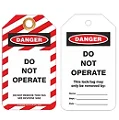
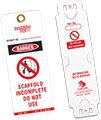
  • Any ladder found unsafe must be tagged with “DO NOT USE” and removed from service
  • While using, Ladders must be placed on a stable and smooth surface and secured properly
  • When a ladder is not in use it should be locked and tagged to prevent authorised access by untrained professionals.

Failing to meet these standards could lead to hefty fines and legal consequences, not to mention reputational damage.

What are Ladder Lockouts?

A ladder lockout refers to physical barriers with padlock applicability to prevent access to ladders. In line with workplace safety protocols, much like Lockout Tagout on machines, ladder lockouts serve as a clear deterrent, indicating that the ladder is potentially hazardous.

How It Works?

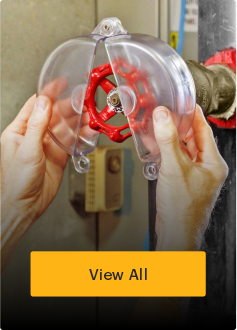
High-quality ladder lockout devices physically cover and enclose the key parts of a ladder like the stepping rungs, making it impossible to climb. Many of these lockout covers are designed with a built-in locking feature which accommodates lockout padlock or hasp for maximum security. The ladder covers may also feature signs or tags to provide information and serve as a visual reminder of the hazards.

Important Note: Ladder lockout covers can not just be substituted for alternative cheap covers, since they are made from durable and high-impact materials with ability to resist wear & tear, tampering, and hazardous industrial environment.

Why Ladder Lockouts Are Essential

Ladders can pose serious risks for those without proper training or authorisation to use them. For instance -

  • Falls from height due to unstable ladder placement
  • Using the wrong type or size of ladder
  • Collapse of an unsecured ladder
  • Unauthorised access to elevated areas
  • Violation of National and International Standards

and many more

These hazards are not always visible to an untrained eye. Ladder lockouts are the first line of defence, physically enforcing access control.

different types of ladder lockout covers and benefits

E-Square’s Ladder Lockout Solutions

E-Square offers a comprehensive portfolio of ladder safety solutions designed to mitigate the risks associated with ladder use across industrial environments. Engineered for access control and tamper prevention, these ladder lockout devices serve as a critical layer of protection in your workplace safety strategy.

Built to withstand harsh industrial conditions, every device is constructed from highly durable, corrosion-resistant materials and features high-visibility designs to enhance safety awareness. Whether deployed in factories, power plants, construction sites, or warehousing facilities, E-Square’s lockout solutions ensure that only trained and authorized personnel can access potentially dangerous ladders and elevated areas - helping you maintain compliance with OSHA and global LOTO protocols.

Types of Ladder Lockouts

Single-Sided Ladder Lockout

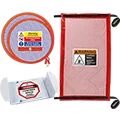
These types of ladder lockouts are designed for quick application to one side of the ladder. With a clear safety warning, they are made from durable, flexible woven PVC and equipped with brass eyelets for secure lockout. Used in a pair with a cable lockout device.

Double-Sided Ladder Lockout

This type of ladder lockout provides 360-degree coverage and is made from the same durable woven PVC as the single-sided cover, which has a clear message on both sides.

Velcro Ladder Lockout

For ease of use and reusability, E-Square has designed the Velcro Ladder Lockout, which uses a hook-and-loop fastening system for a secure and safe lockout. It provides visibility and convenience, especially for places where ladders are frequently used.

Steel Ladder Lockouts

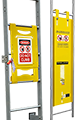
Among E-Square’s ladder lockout solutions, the steel ladder lockout covers offer the most versatile protection, making them ideal for high-risk areas. These lockout devices are made from heavy duty, powder coated steel making them sturdy and secure. They feature a highly visible yellow finish to enhance safety.

Benefits and Features of Steel Ladder Lockouts

  1. Maximum Durability: Sturdy Steel construction ensures long-lasting use in harsh industrial environments.
  2. High Visibility: Bright yellow finishes and safety labels make them easily noticeable.
  3. Custom Fit: Multiple designs accommodate standard, angular, and wide ladders, with or without fall arrest systems.
  4. Secure Mechanism: Hinged locking systems ensure ladders stay locked when not in use.
  5. Versatility: Suitable for both temporary maintenance procedures and permanent safety protocols.

E-Square’s Steel Ladder Lockout Devices come in different variations according to specific industry needs and lockout standards. Some are built for vertical ladders and others for angular or sloped ladders with extra features like extended side panels or wings for added security. Another must-have safety feature in the Ladder Lockout Standard Hump is engineered to accommodate fall arrest systems, allowing for secure and precise placement on ladders without obstructing the fall arrest line. The hinged and lockable features make these lockout devices more secure and user-friendly, ensuring that lockout procedures are followed.

Steel ladder lockouts are the best solution for brands which want to prioritise safety, security, and compliance. Whether you're safeguarding a fixed ladder in a production plant or preventing unauthorized rooftop access, E-Square’s ladder lockouts provide peace of mind and unmatched reliability.

Ladder Lockouts - Features to Keep in Mind

There are numerous dupes and cheap alternatives for ladder lockout solutions, but despite being inexpensive while buying, they may end up costing you more in the long run. These Ladder Lockouts may not be made with safety standards in mind and cause accidents when relied upon. So, here is a list of features you should keep in mind while buying the ideal lockout solution for your facility.

  1. Durable Construction - The most important feature you need to test is the quality or durability of the lockout covers. They need to withstand the harsh industrial environment, external tampering, weather, normal wear & tear and chemical exposures. Look for ladder lockout covers made from high-strength polymers or corrosion-resistent metals.
  2. Easy Installation and Removal Process - An easy-to-install lockout cover makes the lockout process efficient and quick. This encourages workers to implement the safety protocols and minimise downtime or loss of productivity.
  3. Visibility with Safety Warnings or Tags - Clear Visibility of a warming message is essential to alert workers about the hazards of unauthorised usage. A good ladder lockout cover features warning messages in bright colours which must be customised in a language that the workers are familiar with for maximum security.
  4. Compatibility with Different Ladder Types - The lockout device is only effective if it is compatible with the type of ladder, i.e. the cover should be selected according to the type of ladder.

Step-by-Step: How to Use a Ladder Lockout

Evaluation - Even before buying a ladder lockout device, you must inspect the ladder for structural integrity, environmental hazards, type and placement of ladder.  

Choose Lockout Device - Based on the evaluation choose the right ladder lockout device which fits and secures the ladder effectively.

Position - Place the lockout cover at the base of the ladder, making sure all the rungs, specially the bottom ones are covered properly and cannot be used.

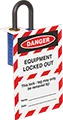
Secure with a Padlock - Once the device is in place, secure the cover with a durable padlock. Only the authorised employee should have the key to the cover and it should be placed securely.

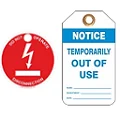
Tagout - The lock should be attached with a tag with a visible warning, details about the ladder and the authorised employee.

Integration into Existing Lockout Tagout System

The ladder lockout procedure must be included in your existing Lockout Tagout system. These protocols must be documented properly, alongside when and how to use the ladders. Ensure that your employees receive proper training on how to use ladders and how to remove and apply lockout devices. Like other lockout protocols, conduct regular inspections to ensure that all safety procedures are up-to-date.

Benefits of Using Ladder Lockouts

Ladder lockout implementation is not just done to avoid OSHA violations but also to protect your employees, assets, and operations. Here are the key benefits of a ladder lockout system -

  1. Prevents Unauthorised or Unsafe Ladder Access - Whether during maintenance, after-work hours, high-risk ladders, ladder lockouts ensure that the ladder in question is rendered useless until the authorised employee unlocks the lockout, preventing accidents.
  2. Promotes a Culture of Safety and Accountability - When management enforces safety protocols throughout the facility, even for ladders, it shows a real concern towards its workers health and well-being. This allows employees to take accountability for their safety and be mindful of their actions promoting a secure environment.
  3. Enhances Compliance with Internal and Legal Safety Standards - National and International safety organisations have set specific safety standards even for ladders. Having a safety protocol in places helps prevent any legal troubles or penalties for safety violations.
  4. Reduces Downtime Due to Accident Investigations or Injuries - In the event of an accident, it leads to major expenses and increases downtime in the form of investigations, operational pauses, property damage. So ladder lockouts not only keep the workers safe but also limit expensive interruptions.

Common Mistakes to Avoid

Proper lockout is important for maintaining a safe and compliant working environment. Even with the right intentions, people can make mistakes. Here is a list of some of the most common mistakes so you can avoid them while implementing the lockout process.

  1. Using Non-Lockable Barriers - Just a cover with a warning may seem like a quick fix but offers no real security. These non-lockable barriers can be easily bypassed making them ineffective. You must always use lockout covers with built-in padlock or compatible devices to physically prevent tampering.
  2. Mismatching Lockout to Ladder - Using a random lockout device on different ladders may not prove to be very successful as may not be the right size or fit for that ladder leaving the ladder exposed.
  3. Skipping Lockout Tagout Training - Even the best lockout devices will be rendered ineffective if the workers don’t know how to apply them properly. LOTO training is important for understanding successful application and removal or lockout devices.
  4. Neglecting to Tag-Out - Tagging is just as important as the lockout process. It is critical to clearly communicate the reasons for the lockout, ensuring that the workers understand the hazards and why lockout was necessary.
  5. Failing to Inspect Lockouts for Wear and Tear - Even the highest quality lockout devices are prone to wear and tear after years of use due to harsh environments, improper storage or chemical exposure. Regular inspection prevents usage of worn lockout covers which can cause failed lockouts.

Conclusion:

Ladder lockouts are more than just optional accessories; they are essential tools for maintaining a safe working environment. By preventing unauthorised access to broken or unsafe ladders, these devices save human lives, reducing the risk of falls, injuries, and fatalities. Implementing ladder lockouts needs to be a part of your comprehensive workplace safety program, which should include training, regular inspections, high-quality devices, and following OSHA-set guidelines.

Fostering a safe work environment starts with commitment towards providing the right tools and training for safety protocols. It should be a priority, enforced through strict rules and inspections and rewards. These safety protocols are not just effective in the short run but also provide profitable results in the long term. Safety doesn’t happen by chance - it’s built step by step, policy by policy, and lockout by lockout. And the commitment to that safety must come from the top down.

Need Expert Help or A custom ladder lockout solution?
Let our team help you build a tailored lockout system that meets your facility’s needs. From product recommendations to employee training, E-Square is your Ladder safety partner.

About the Author

Esquare

A team of safety professionals and educators united to enhance workplace safety with essential Lockout Tagout knowledge. We offer expertise to foster safety compliance and effective LOTO protocols across industries.

E-Square Blog: Expert Analysis and Best Practices for Isolation Safety

The E-Square blog features advice, information and support on everything related to Lockout Tagout, including best practices, industry news, latest innovations and regulatory updates.

Address

Contact Us

We reply within 4 IST business hours. No commitment required.


    Worldwide Delivery

    Worldwide Delivery

    Via Fastest Mode Available
    Wide Choice

    Wide Choice

    1800+ Items available
    Customisation Available

    Customisation Available

    No MOQ for standard products
    Direct Technical Support

    Direct Technical Support

    From our expert LOTO Engineers
    Contact<br>us Contact
    us
    Call<br>us Call
    us
    Download<br>catalogue Download
    catalogue
    Become<br>a reseller Become
    a reseller
    Any Questions?
    popup img
    In Lockout Tagout, every detail counts. Let’s discuss yours.

    Hi! I'm Pyush, the Technical Director at E-Square

    Please write to me here if you have any questions or require any kind of assistance. We will get back with an answer ASAP !


      WhatsApp chat icon Chat with LOTO Expert
      Can we help?
      Arrow icon